


If your employer has treated you unfairly at work, an employment law attorney in Los Angeles can help you understand your options and decide what to do next.
Workplace problems like unpaid wages, harassment, or wrongful termination often feel confusing and personal, which makes it hard to know whether what happened to you was actually against the law.
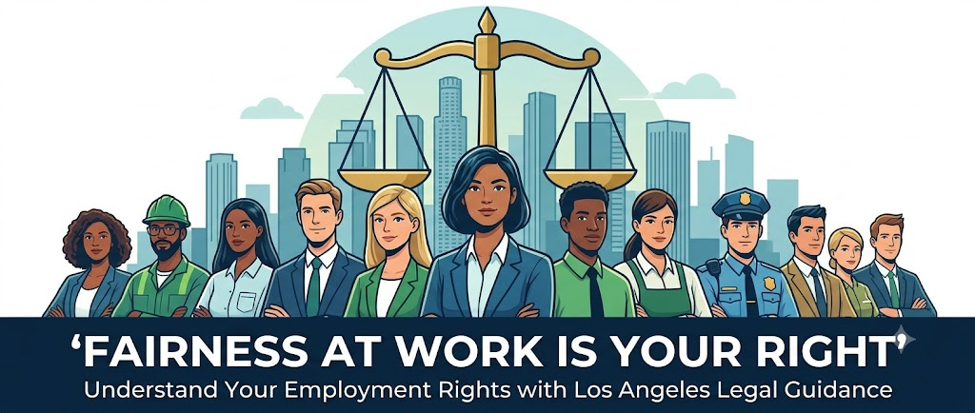
A lawyer who focuses on employment matters can review your situation, explain your rights in plain terms, and guide you through the steps that follow, whether that means talking with your employer or preparing for legal action.
Why Workplace Disputes Often Need Legal Guidance
Employment laws in California cover a wide range of situations, from discrimination and retaliation to wage violations and denied leave. Many employees do not realize a law has been broken until they describe their experience to someone familiar with these rules.
Workplace disputes also tend to involve an uneven balance of power. Your employer likely has HR staff, internal policies, and possibly its own legal counsel already in place. Having someone in your corner who understands employment law helps level that playing field and makes sure your side of the story is documented properly from the start.
What an Employment Law Attorney in Los Angeles Handles
Employment attorneys generally work on cases involving the relationship between employees and employers. Depending on the firm, this can include:
● Wrongful termination and retaliation claims
● Workplace discrimination based on race, sex, age, disability, or other protected categories
● Sexual harassment and hostile work environment complaints
● Unpaid wages, overtime, and unreimbursed work expenses
● Denied family, medical, or pregnancy leave
● Requests for reasonable accommodation that were ignored or refused
Pimentel Law, for example, describes handling this same range of matters for California workers. Reviewing a firm’s practice areas ahead of time gives you a sense of whether your situation fits what they typically handle.
Common Workplace Issues That Lead to a Consultation
Most people do not contact an attorney the moment something feels off at work. Usually, a specific event pushes them to seek advice. Some common examples include:
● Being fired shortly after reporting a workplace issue or filing a complaint
● Noticing a pattern of being passed over for promotions compared to coworkers in similar roles
● Being pressured or denied benefits related to sex or gender
● Missing wages, unpaid overtime, or expenses that were never reimbursed
● Having a request for medical or family leave denied without a clear explanation
If any of these situations sound familiar, it may be worth having a conversation with a professional before deciding how to move forward on your own.
What to Expect During an Initial Case Review
An initial case review is generally a conversation, not a commitment. You describe what happened, in your own words and in whatever order makes sense to you, and the attorney asks questions to fill in the details.
From there, the attorney typically explains whether your situation appears to involve a legal violation, what evidence might strengthen your position, and what your realistic options look like. This might mean trying to resolve the issue informally with your employer first, or it might mean preparing for a more formal process.
Every case is different, so this conversation is meant to inform you, not to promise a particular result.
Handling It Yourself vs Hiring an Attorney
Some employees choose to raise workplace concerns directly with HR or management before involving outside help, and in less serious situations, this approach can genuinely resolve things. The table below outlines where each path tends to make more sense.
Questions to Ask During a Consultation:
Coming prepared with questions helps you get more out of a consultation and gives you a clearer picture of what working with a particular attorney would look like. Consider asking:
● How many cases similar to mine have you handled before?
● What outcomes are realistically possible given what I’ve described?
● How do you typically communicate with clients during a case?
● What would the general timeline look like for a case like this?
● How are fees structured, and what happens if the case does not succeed?
Asking these questions early can help you avoid surprises later and set expectations that match reality rather than assumptions.
Documentation That Strengthens an Employment Case
Good documentation can make a meaningful difference in how an employment case unfolds. Employees are often encouraged to gather and preserve records such as:
● Emails, text messages, or written communications related to the issue
● Pay stubs, timesheets, or records showing hours worked
● Copies of employee handbooks or company policies
● Performance reviews, especially if they contradict a stated reason for termination
● Names and contact information of coworkers who witnessed relevant events
Keeping these records organized and avoiding the temptation to alter or delete anything helps preserve an accurate picture of what actually happened at work.
Choosing an Attorney You Can Trust
Not every attorney or firm is the right fit for every situation, so it helps to look for someone with direct experience in employment matters rather than general practice. Pay attention to how clearly they explain things, how promptly they respond to questions, and whether they seem genuinely invested in understanding your specific circumstances.
Pimentel Law, an employment law attorney in Los Angeles with experience across discrimination, harassment, wage, and termination cases, is one example of a firm built around this type of focused practice. Whichever attorney you consider, a free or low-cost initial consultation is often a reasonable way to gauge fit before committing further.
Conclusion
Workplace disputes can feel overwhelming, especially when you are still processing what happened and unsure whether it crosses a legal line. An employment law attorney in Los Angeles can offer clarity, help you organize your evidence, and walk you through realistic next steps, whether that means an informal resolution or a more formal legal process.
No two cases are identical, so outcomes vary, but understanding your options early tends to put you in a stronger position moving forward, whatever path you ultimately choose.

Gabriel Pimentel is the founder and Senior Trial Lawyer of Pimentel Law, a Pasadena based firm representing plaintiffs in personal injury and employment cases across Los Angeles. A Loyola Law School graduate with over a decade of trial experience, he has won multimillion dollar settlements and verdicts in cases involving serious injury, wrongful death, and workplace retaliation, along with several appellate victories before the California Courts of Appeal. He is an Avvo Top Attorney and CAALA Plaintiff Trial Academy graduate.