
Feels unfair sometimes. You do your job, show up, do everything right, and then suddenly things shift. A manager may treat you differently after you mention a medical condition or request a needed accommodation. Or you could stop getting the same opportunities as before. That quiet unease? That is often the first sign of workplace disability discrimination in California.
It’s a reality many face. Here in California, where employment laws are strong, thousands still file disability-related complaints each year, trying to hold their employers accountable. The good news is, you don’t have to keep it to yourself. The law offers robust protections, and there is a straightforward, step-by-step method to guard yourself and build a solid claim.
Spotting the Early Signs
It rarely starts loud. Usually, it begins small. A few comments that make you uncomfortable. A meeting you’re not invited to anymore. Or maybe your shift gets changed without asking.
Sometimes it’s brushed off as “policy” or “business needs.” But if the pattern builds right after you disclose a condition or ask for an accommodation, that’s not a coincidence. That’s cause for attention.
And here’s something people learn too late: early notes and small details can decide the entire case later.
Keep Your Own Record
This section is not enjoyable; however, it is necessary. Begin to take notes, at any unusual time, any refused request, every remark that impresses itself. A quick note on your phone is fine; make sure it’s dated.
| What to Keep | Why It Helps |
| Dates and times | Creates a pattern when things started changing |
| Who was there | Witnesses matter more than you’d expect |
| Screenshots, texts, or emails | They’re hard to argue against |
| Copies of accommodation requests | Proof that you did your part |
Feelus, maybe. But months later, when memory blurs, that little file can tell your story better than anything.
Know Your Rights, Use Them
The reason why we have the Americans with Disabilities Act (ADA) and the California Fair Employment and Housing Act (FEHA) is not in vain. They ensure that workers who have physical or mental deficiencies do not feel mistreated.
Employers should provide you with reasonable accommodations, changes that will allow you to perform your job effectively without harming their business. It may imply a changed timetable, additional pauses, or supportive technology. It makes it possible to work well with simple things.
When they turn a blind eye or ignore your request, that is inconsiderate, and it may also be a form of discrimination. It may sound harsh, but it is true.
When to Call a Disability Discrimination Lawyer?
Most people wait too long. They believe that HR will correct it or that raising the issue will make it worse. And there are occasions when such fear is justified.
A disability discrimination attorney understands the realities of the workplace and relevant legislation. They are aware of the types of evidence that can be considered, the process for submitting it to the CRD California (Civil Rights Division), and the methods for avoiding retaliation before it escalates.
These lawyers don’t just talk legal language; they protect your rights in real time. The sooner they are engaged, the better it is to develop a solid case. They even go to the extent of assisting you not to go to court.
The Legal Process in Simple Terms
Here’s how the timeline usually looks. Not perfect, but pretty close.
| Step | Action | Deadline |
| 1 | File charge with CRD | Within 3 years |
| 2 | Employer notified | Within 10 days |
| 3 | CRD investigation or mediation | Up to 1 year |
| 4 | “Right to Sue” letter issued | Timing varies |
| 5 | File a lawsuit in court | Within 1 year of the letter |
Once that letter arrives, your disability discrimination lawyer can take the next move. Negotiate, or, when necessary, instigate a lawsuit. It all depends on the quality of your evidence and the desired result.
A Small Story That Explains a Lot
This occurred in a situation where a warehouse worker developed a joint problem, which prevented them from performing heavy lifting. They asked for a shift change and lighter tasks. The company said they’d “look into it,” but months passed. Then, their schedule was suddenly cut back, and performance reviews were dropped.
They kept every message, every change notice, even a copy of their original request. When it reached the CRD California (Civil Rights Division), that paper trail became the turning point; their case was won, and the company had to repent its policy.
It is not always about revenge, but merely fair. It is the usual appearance of justice: silent, stable, and tardy.
Why Documentation and Legal Help Work Together?
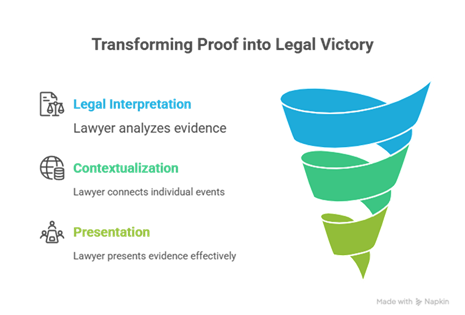
Here’s the thing. You can have perfect proof, but if it’s not presented correctly, it loses strength. That’s where a disability discrimination lawyer adds real value. They understand how to make the dots, demonstrating that each delay and unresponded email is part of the larger picture.
It’s like a puzzle. You see the pieces. They see the whole picture.
What to Expect After Filing?
Once you have filed your complaint, you should not expect instant success. The procedure can be tedious, and frankly speaking, it can be tiresome. The investment process is lengthy, and employers are often uncooperative.
Still, that’s not failure. It’s part of the system. Continue to document everything that happens next, any unusual behavior, new assignments, or retaliation. It all matters later. Some are resolved through mediation, while others end up in court. The point is that you do not give up in the middle and remain straight.
Common Slip-Ups That Hurt Claims
Mistakes that people commit are simple and are known to undermine their own argument, including discussing it prematurely and deleting messages. Forgetting to keep copies. Donating it to HR to take care of it.
And the biggest one? Failure to seek assistance at the right time. Once the time has lapsed, lawyers cannot repair it. When the CRD California (Civil Rights Division) window has passed, the time to waste is over.
It is quite a task to manage, but at least it is better to be systematized in advance, to save time in the future.
A Quick Glance at Claim Timelines
| Stage | Average Duration | What to Focus On |
| Gathering Evidence | Ongoing | Notes, communication, dates |
| Internal HR Complaint | 1–2 weeks | Keep a record of the response |
| CRD Filing | Up to 365 days | Submit early if possible |
| Investigation | 3–6 months | Provide all requested info |
| Legal Action | 6–12 months | Continue with representation |
Not an exact science, but close enough to plan. At Pimentel Law, our firm’s approach combines clear legal strategy with genuine empathy, guiding employees through every step of filing and fighting a disability discrimination claim with purpose and precision.
Why It’s Worth Speaking Up?
Being deprived of a job or being discriminated against because of a disability is not merely about money but also about dignity. Being respected, involved, and legitimate. Everyone deserves that.
When you do something, you are not only doing yourself a favor, you are also giving others a favor. You are creating a precedent for your successors. It may be one of your colleagues in the same office, a few months down the road, who will have the courage to act due to your action. That is the larger picture, and it is worth it.
What To Do Now?
Waiting until it becomes worse is not a good idea. Start small, start now. Write down the details. Please refile your accommodation request in writing. Keep all responses. Then contact an attorney specializing in disability discrimination and request an honest assessment of your case.
It is intimidating, of course, but the initial discussion removes half the confusion.
Common Questions About Disability Discrimination Cases:
1. What counts as disability discrimination at work?
Disability discrimination happens when an employer mistreats you because of a physical or mental condition, denies reasonable accommodations, or retaliates after you disclose a disability.
2. How do I prove I was discriminated against?
Start documenting everything, including dates, emails, messages, and the names of people involved. These records help show a pattern of unfair treatment linked to your disability or accommodation request.
3. How long do I have to file a complaint in California?
You generally have three years from the date of the last discriminatory act to file a charge with the Civil Rights Department (CRD).
4. Should I go to HR first or call a lawyer?
You can report it to HR, but don’t wait too long. If nothing changes, contact a disability discrimination lawyer early, they’ll guide you through the CRD filing and protect you from retaliation.
5. What happens after I file a claim?
The CRD may investigate, suggest mediation, or issue a Right-to-Sue letter. Once that’s issued, your lawyer can take the case to court if needed.
Final Words
At Pimentel Law, clients will receive more than just legal advice; they will have a lawyer who understands the profound impact of workplace discrimination on a person’s career and self-confidence.
In case your place of work has become cold since you told them about your disability or needed some accommodations, then that is not what you should tolerate. Protect your rights. Get a reasonable disability discrimination attorney on the phone and know what happens with your case. The sooner the better, you can do it, the better case you will have, and the better rest.