
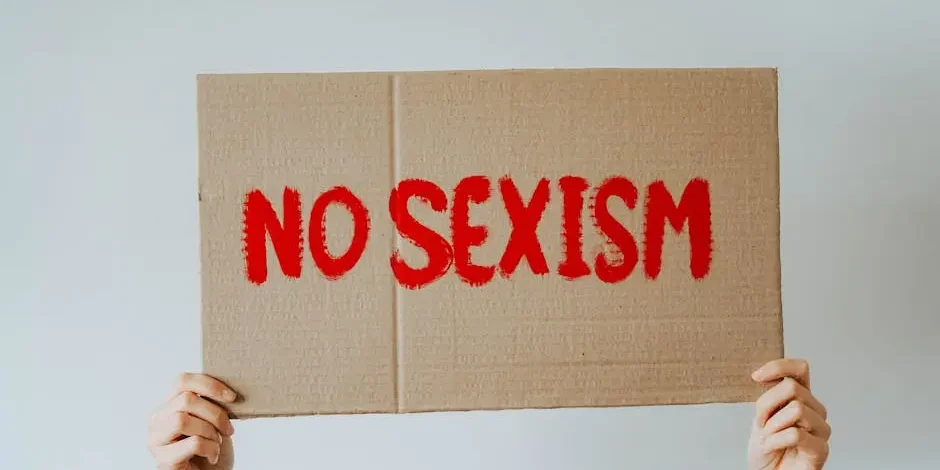
Navigating the complexities of workplace dynamics can be challenging, especially when faced with issues of gender discrimination. Recognizing the signs that it’s time to seek professional assistance can be daunting. In this list, we outline key indicators that suggest it might be time to contact a gender discrimination attorney.

1. Unequal Pay for Equivalent Roles
If you suspect that your compensation is significantly lower than your peers solely based on gender, this is a primary indication to seek legal advice. Unequal pay can create a pervasive sense of unfairness and frustration in the workplace. It’s essential to gather evidence regarding salary discrepancies, such as pay stubs or salary surveys, which can strengthen your case.
As alarming as it may be, many individuals choose to remain silent about pay inequality due to fear of retaliation or perceived isolation. However, understanding that you are not alone in this struggle can be empowering. Consulting a gender discrimination attorney can illuminate your options, allowing you to advocate for the compensation you rightfully deserve.
2. Lack of Advancement Opportunities
When promotions and career advancement seem consistently denied based on gender, it may be time to consult with a professional. Consider the patterns—if male colleagues with similar qualifications are climbing the corporate ladder while you are overlooked, these disparities may be rooted in discriminatory practices. Taking note of such trends is crucial for building a compelling argument.
An absence of mentorship or sponsorship opportunities can further exacerbate feelings of stagnation. Such elements play a pivotal role in employee development and cause frustration when they are disproportionately accessible to one gender over another. Clear documentation of these instances can aid your case when reaching out to a gender discrimination attorney.
3. Hostile Work Environment
Experiencing harassment or a toxic culture directed at you because of your gender is a significant red flag. A workplace where uncomfortable jokes, inappropriate comments, or overt hostility are commonplace is not just unhealthy; it’s illegal. Documenting specific incidents can be invaluable when discussing your case with a gender discrimination attorney.
Understanding that a hostile environment can take many forms—from overt sexual comments to subtle exclusionary behaviors—is crucial. If you find that your well-being and ability to perform your job are being compromised, seeking legal advice isn’t just recommended; it’s essential for your professional and emotional health.
4. Inconsistent Policy Enforcement
If workplace policies are selectively enforced, hinting at gender bias, it warrants serious consideration of legal counsel. Disparities in how rules are applied can create an uneven playing field, leading to systemic discrimination. Observing how policies affect different genders may reveal troubling trends.
For instance, if male employees receive leniency for infractions while females face harsh penalties, it may be indicative of bias. Collecting firsthand accounts and relevant documents will significantly bolster your case when discussing your situation with a gender discrimination attorney.
5. Retaliation Following Complaints
Facing backlash after reporting gender discrimination could indicate a deeper issue, making it advisable to get legal help. Retaliation may manifest in various forms, from job loss to subtle exclusion from team activities, all of which signal a potentially hostile corporate culture.
It’s crucial to document every instance of retaliation meticulously. This documentation not only helps you build a strong case but can also serve as a protective measure, reinforcing your position when seeking assistance. A skilled gender discrimination attorney will know how to effectively navigate these complex waters.
6. Disproportionate Discipline
If you experience harsher disciplinary actions compared to male colleagues for similar infractions, it’s time to seek assistance. Noticing patterns of disproportionate discipline can be a clear indicator of discriminatory practices at play.
Gathering records of any disciplinary actions taken against you, alongside those of your peers, will help elucidate whether an underlying gender bias is evident. By connecting the dots, you empower your case and equip a gender discrimination attorney with the necessary information to advocate for you.
7. Stereotyping and Bias
Being subjected to stereotypes or assumptions based on gender can be a common form of discrimination that needs addressing. These stereotypes can limit your opportunities and create barriers that should not exist. For instance, if you’re constantly sidelined for assignments deemed ‘too technical’ because of your gender, it’s a clear sign to take action.
Recognizing these patterns is the first step toward protecting your rights. Documenting incidents and conversations surrounding such biases can provide necessary context for a gender discrimination attorney to prepare an effective strategy for your case.
8. Exclusion from Key Meetings
If you’re consistently left out of important discussions or meetings, this could signal gender-based discrimination. Feeling sidelined can hinder your professional development and impact your visibility within the company.
Make a note of the meetings from which you’ve been excluded, especially if male counterparts are regularly included. This documentation can serve as evidence when discussing your situation with a gender discrimination attorney, revealing patterns that may warrant further investigation.
9. Unequal Workload Distribution
Noticing a significant imbalance in workload comparisons can be a concerning indication of gender discrimination. If you consistently find yourself burdened with tasks perceived as less desirable while your male colleagues receive preferential treatment, it’s time to take stock.
Understanding how workload distribution affects your stress levels and career trajectory is vital. Document your workload alongside that of your peers to create a compelling case when consulting with a gender discrimination attorney who understands these dynamics.
10. Requests for Body Policing
If you’re frequently critiqued for your appearance or mannerisms at work, this could be a form of gender discrimination. Such comments can undermine your confidence and divert focus from your professional capabilities.
A hostile focus on personal appearance instead of professional merit is a troubling aspect of gender discrimination. Record instances of such commentary—contextual details can significantly assist a gender discrimination attorney in building your case.
11. Negative Performance Reviews Subject to Gender
If your performance reviews seem swayed by gender bias rather than merit, seeking professional advice is essential. It’s worth asking whether feedback you receive reflects your actual contributions or is colored by stereotypes.
Lack of constructive feedback or excessively harsh criticism compared to your peers can be a strong indicator of gender discrimination. Document these reviews along with any communications regarding your performance, as having a paper trail can strengthen your case when speaking with a gender discrimination attorney.
12. Discrimination in Recruitment Processes
Experiencing biases or unequal treatment during hiring or promotion phases should prompt you to contact an attorney. If you consistently notice that qualified female candidates are overlooked in favor of less qualified male candidates, take heed.
This trend can reflect deeper institutional biases worth addressing. Keeping track of your application experiences can provide a clear line of evidence, illustrating patterns of discrimination that reinforce the need for legal consultation.
13. Fewer Mentorship Opportunities
If you find that mentorship is scarce for women or gender minorities, it reflects an environment ripe for discrimination. Not having access to mentorship can impede your professional growth and limit career opportunities.
Documenting instances where mentorship opportunities were not equally accessible can provide context and evidence when discussing your situation with a gender discrimination attorney, empowering them to advocate for systemic change.
14. Marginalization in Team Dynamics
Feeling consistently marginalized in team interactions can be a strong indicator of workplace discrimination. When your contributions are overlooked or your perspectives disregarded in discussions, it can create not only frustration but also a significant impediment to your professional development.
Taking note of specific examples—including meetings and discussions—can be invaluable when conveying your experience to a gender discrimination attorney, who can help in determining the next steps to address and remedy such inequities.
15. Disregard for Concerns Raised
If your concerns about gender discrimination are routinely ignored or dismissed, it may be time to take action. Not being heard or validated can not only be demoralizing but also serve as a potential violation of legal rights. Protecting oneself means ensuring that one’s voice is recognized in the workplace.
Document instances where you’ve raised legitimate concerns and received little to no response. This record can serve as strong evidence when deciding to consult with a gender discrimination attorney, who can help ensure that your rights are upheld and that conversations about discrimination are taken seriously.